
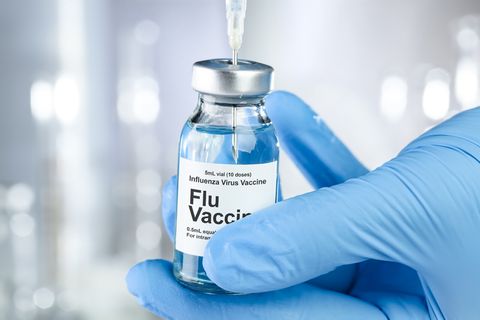
FREE Flu and Covid vaccines for 2026-2027
NO APPOINTMENT NECESSARY
We have made it easier to receive your vaccines this flu season. No need to schedule an appointment on-line only to wait in a long line in a big-box chain pharmacy.
Simply walk in and we can administer your free vaccine in minutes! It's that simple!
We also offer Shingles Vaccine, RSV, and Capvaxive pneumococcal vaccines for walk-ins.
Fairmount Pharmacy

- Fairmount Pharmacy
- 1900 Green St, Philadelphia PA, 19130
- P: 215-567-0364 | F: 215-567-1931
- Mon-Fri: 9:30a.m.-5:30p.m. | Sat: 9a.m.-12p.m.
- Fairmount Pharmacy Services, LLC
- P: 215-564-9300 | F: 215-567-1931
- Mon-Fri: 9:30a.m.-5:30p.m. | Sat: 9a.m.-12p.m.
Easy on-line refills available!
Click on "Mobile" from menu to register for the "My Community Pharmacy Mobile App". Once registered, you can easily refill your prescriptions right from your phone anytime throughout your day!

Sign Up For Our Newsletter
Stay up to speed with our latest promotions, special deals, and announcements by signing up for our free e-newsletter.

Meet Your Pharmacist
- Jerry Volgraf, RPH graduated from Temple University School of Pharmacy and has been the owner of Fairmount Pharmacy since 1988.
- Bobby Woltjen graduated fromSpring Garden College and has been co-owner of Fairmount Pharmacy since 1988.
They have dedicated the majority of their career serving patients in Philadelphia, PA.
Specialized Services:

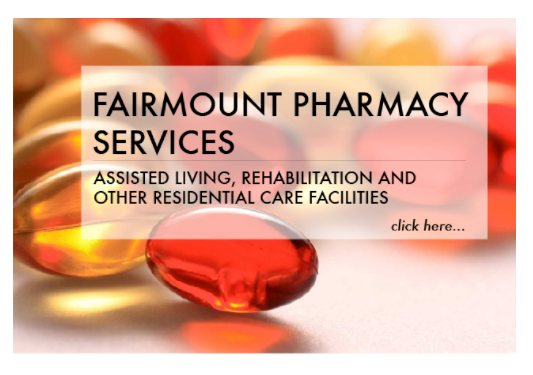
Fairmount Pharmacy is a mission-driven neighborhood drug store serving local residents and specialty care facilities throughout the Philadelphia area
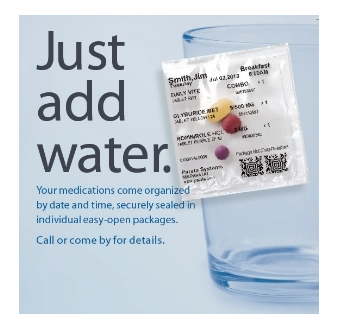
Managing Your medications Has Never Been Easier
- Automated compliance packaging is now available!
- Speak to our pharmacists to learn more.
Since 1988, Fairmount Pharmacy, an independent community pharmacy, has been serving the Art Museum Area of Philadelphia with award-winning pharmacy care. We offer convenient pharmacy hours, low cost prescriptions and free delivery. We accept most third party insurance including Medicaid, Medicare Part D, CVS Caremark and Express Scripts to name a few. Our experienced staff is available to assist you with all of your pharmacy needs. In addition to serving your prescription and over the counter needs, we offer a full line of diabetic supplies, greeting cards, PA lottery, utility payments, money orders, snacks and cold beverages. We look forward to serving you at Fairmount Pharmacy, your neighborhood drug store.
Fairmount Pharmacy Services has taken the tradition of a corner drug store and applied it to our specialty care clients. We understand the unique needs of our assisted living, residential, mental health, psychiatric, continuing and long-term care communities. Our location in the Art Museum area facilitates serving center city and the extended Philadelphia area. We offer 24 hour on-call emergency service, free delivery, as well as specialized unit dose and blister packaging. Our experienced staff looks forward to serving your unique needs.
Download Our Mobile App:

Reminders
Set reminders to take your medications.

Refill On-The-Go
Refill your medications 24/7 without logging in.

User Profiles
Safely store and manage your list of prescriptions.

Delivery Options
Request a refill and delivery with a single click.
The Latest Health News

Scoliosis 101
Is your child at risk for scoliosis? more

Cold or Flu? How to Tell the Difference
Authored by: Michelle Barney, Pharm D , , Colds and the flu can cause many of the same symptoms. Both can make you cough, feel tired and have a stuffy or runny nose. However, there are some differences that may help you tell them apart. , , Is It a Cold or the Flu? , , Cold symptoms are usually milder and may develop slowly. Common symptoms include: , , , Runny or stuffy nose , Sneezing , Sore throat , Cough , , , Flu symptoms often come on more suddenly and can make you feel much sicker. Symptoms may include: , , , Fever or chills , Cough , Sore throat , Headache...
Authored by: Michelle Barney, Pharm D , , Colds and the flu can cause many of the same symptoms. Both can make you cough, feel tired and have a stuffy or runny nose. However, there are some differences that may help you tell them apart. , , Is It a Cold or the Flu? , , Cold symptoms are usually milder and may develop slowly. Common symptoms include: , , , Runny or stuffy nose , Sneezing , Sore throat , Cough , , , Flu symptoms often come on more suddenly and can make you feel much sicker. Symptoms may include: , , , Fever or chills , Cough , Sore throat , Headache...
Authored by: Michelle Barney, Pharm D , , Colds and the flu can cause many of the same symptoms. Both can make you cough, feel tired and have a stuffy or runny nose. However, there are some differences that may help you tell them apart. , , Is It a Cold or the Flu? , , Cold symptoms are usually milder and may develop slowly. Common symptoms include: , , , Runny or stuffy nose , Sneezing , Sore throat , Cough , , , Flu symptoms often come on more suddenly and can make you feel much sicker. Symptoms may include: , , , Fever or chills , Cough , Sore throat , Headache...
Authored by: Michelle Barney, Pharm D , , Colds and the flu can cause many of the same symptoms. Both can make you cough, feel tired and have a stuffy or runny nose. However, there are some differences that may help you tell them apart. , , Is It a Cold or the Flu? , , Cold symptoms are usually milder and may develop slowly. Common symptoms include: , , , Runny or stuffy nose , Sneezing , Sore throat , Cough , , , Flu symptoms often come on more suddenly and can make you feel much sicker. Symptoms may include: , , , Fever or chills , Cough , Sore throat , Headache...
Authored by: Michelle Barney, Pharm D , , Colds and the flu can cause many of the same symptoms. Both can make you cough, feel tired and have a stuffy or runny nose. However, there are some differences that may help you tell them apart. , , Is It a Cold or the Flu? , , Cold symptoms are usually milder and may develop slowly. Common symptoms include: , , , Runny or stuffy nose , Sneezing , Sore throat , Cough , , , Flu symptoms often come on more suddenly and can make you feel much sicker. Symptoms may include: , , , Fever or chills , Cough , Sore throat , Headache...
Authored by: Michelle Barney, Pharm D , , Colds and the flu can cause many of the same symptoms. Both can make you cough, feel tired and have a stuffy or runny nose. However, there are some differences that may help you tell them apart. , , Is It a Cold or the Flu? , , Cold symptoms are usually milder and may develop slowly. Common symptoms include: , , , Runny or stuffy nose , Sneezing , Sore throat , Cough , , , Flu symptoms often come on more suddenly and can make you feel much sicker. Symptoms may include: , , , Fever or chills , Cough , Sore throat , Headache...
Authored by: Michelle Barney, Pharm D , , Colds and the flu can cause many of the same symptoms. Both can make you cough, feel tired and have a stuffy or runny nose. However, there are some differences that may help you tell them apart. , , Is It a Cold or the Flu? , , Cold symptoms are usually milder and may develop slowly. Common symptoms include: , , , Runny or stuffy nose , Sneezing , Sore throat , Cough , , , Flu symptoms often come on more suddenly and can make you feel much sicker. Symptoms may include: , , , Fever or chills , Cough , Sore throat , Headache...
Authored by: Michelle Barney, Pharm D , , Colds and the flu can cause many of the same symptoms. Both can make you cough, feel tired and have a stuffy or runny nose. However, there are some differences that may help you tell them apart. , , Is It a Cold or the Flu? , , Cold symptoms are usually milder and may develop slowly. Common symptoms include: , , , Runny or stuffy nose , Sneezing , Sore throat , Cough , , , Flu symptoms often come on more suddenly and can make you feel much sicker. Symptoms may include: , , , Fever or chills , Cough , Sore throat , Headache...
Authored by: Michelle Barney, Pharm D , , Colds and the flu can cause many of the same symptoms. Both can make you cough, feel tired and have a stuffy or runny nose. However, there are some differences that may help you tell them apart. , , Is It a Cold or the Flu? , , Cold symptoms are usually milder and may develop slowly. Common symptoms include: , , , Runny or stuffy nose , Sneezing , Sore throat , Cough , , , Flu symptoms often come on more suddenly and can make you feel much sicker. Symptoms may include: , , , Fever or chills , Cough , Sore throat , Headache...
Authored by: Michelle Barney, Pharm D , , Colds and the flu can cause many of the same symptoms. Both can make you cough, feel tired and have a stuffy or runny nose. However, there are some differences that may help you tell them apart. , , Is It a Cold or the Flu? , , Cold symptoms are usually milder and may develop slowly. Common symptoms include: , , , Runny or stuffy nose , Sneezing , Sore throat , Cough , , , Flu symptoms often come on more suddenly and can make you feel much sicker. Symptoms may include: , , , Fever or chills , Cough , Sore throat , Headache...
Authored by: Michelle Barney, Pharm D , , Colds and the flu can cause many of the same symptoms. Both can make you cough, feel tired and have a stuffy or runny nose. However, there are some differences that may help you tell them apart. , , Is It a Cold or the Flu? , , Cold symptoms are usually milder and may develop slowly. Common symptoms include: , , , Runny or stuffy nose , Sneezing , Sore throat , Cough , , , Flu symptoms often come on more suddenly and can make you feel much sicker. Symptoms may include: , , , Fever or chills , Cough , Sore throat , Headache...
Authored by: Michelle Barney, Pharm D , , Colds and the flu can cause many of the same symptoms. Both can make you cough, feel tired and have a stuffy or runny nose. However, there are some differences that may help you tell them apart. , , Is It a Cold or the Flu? , , Cold symptoms are usually milder and may develop slowly. Common symptoms include: , , , Runny or stuffy nose , Sneezing , Sore throat , Cough , , , Flu symptoms often come on more suddenly and can make you feel much sicker. Symptoms may include: , , , Fever or chills , Cough , Sore throat , Headache...
Authored by: Michelle Barney, Pharm D , , Colds and the flu can cause many of the same symptoms. Both can make you cough, feel tired and have a stuffy or runny nose. However, there are some differences that may help you tell them apart. , , Is It a Cold or the Flu? , , Cold symptoms are usually milder and may develop slowly. Common symptoms include: , , , Runny or stuffy nose , Sneezing , Sore throat , Cough , , , Flu symptoms often come on more suddenly and can make you feel much sicker. Symptoms may include: , , , Fever or chills , Cough , Sore throat , Headache...
Authored by: Michelle Barney, Pharm D , , Colds and the flu can cause many of the same symptoms. Both can make you cough, feel tired and have a stuffy or runny nose. However, there are some differences that may help you tell them apart. , , Is It a Cold or the Flu? , , Cold symptoms are usually milder and may develop slowly. Common symptoms include: , , , Runny or stuffy nose , Sneezing , Sore throat , Cough , , , Flu symptoms often come on more suddenly and can make you feel much sicker. Symptoms may include: , , , Fever or chills , Cough , Sore throat , Headache...
Authored by: Michelle Barney, Pharm D , , Colds and the flu can cause many of the same symptoms. Both can make you cough, feel tired and have a stuffy or runny nose. However, there are some differences that may help you tell them apart. , , Is It a Cold or the Flu? , , Cold symptoms are usually milder and may develop slowly. Common symptoms include: , , , Runny or stuffy nose , Sneezing , Sore throat , Cough , , , Flu symptoms often come on more suddenly and can make you feel much sicker. Symptoms may include: , , , Fever or chills , Cough , Sore throat , Headache...
Authored by: Michelle Barney, Pharm D , , Colds and the flu can cause many of the same symptoms. Both can make you cough, feel tired and have a stuffy or runny nose. However, there are some differences that may help you tell them apart. , , Is It a Cold or the Flu? , , Cold symptoms are usually milder and may develop slowly. Common symptoms include: , , , Runny or stuffy nose , Sneezing , Sore throat , Cough , , , Flu symptoms often come on more suddenly and can make you feel much sicker. Symptoms may include: , , , Fever or chills , Cough , Sore throat , Headache...
Authored by: Michelle Barney, Pharm D , , Colds and the flu can cause many of the same symptoms. Both can make you cough, feel tired and have a stuffy or runny nose. However, there are some differences that may help you tell them apart. , , Is It a Cold or the Flu? , , Cold symptoms are usually milder and may develop slowly. Common symptoms include: , , , Runny or stuffy nose , Sneezing , Sore throat , Cough , , , Flu symptoms often come on more suddenly and can make you feel much sicker. Symptoms may include: , , , Fever or chills , Cough , Sore throat , Headache...
Authored by: Michelle Barney, Pharm D , , Colds and the flu can cause many of the same symptoms. Both can make you cough, feel tired and have a stuffy or runny nose. However, there are some differences that may help you tell them apart. , , Is It a Cold or the Flu? , , Cold symptoms are usually milder and may develop slowly. Common symptoms include: , , , Runny or stuffy nose , Sneezing , Sore throat , Cough , , , Flu symptoms often come on more suddenly and can make you feel much sicker. Symptoms may include: , , , Fever or chills , Cough , Sore throat , Headache...
Authored by: Michelle Barney, Pharm D , , Colds and the flu can cause many of the same symptoms. Both can make you cough, feel tired and have a stuffy or runny nose. However, there are some differences that may help you tell them apart. , , Is It a Cold or the Flu? , , Cold symptoms are usually milder and may develop slowly. Common symptoms include: , , , Runny or stuffy nose , Sneezing , Sore throat , Cough , , , Flu symptoms often come on more suddenly and can make you feel much sicker. Symptoms may include: , , , Fever or chills , Cough , Sore throat , Headache...
Authored by: Michelle Barney, Pharm D , , Colds and the flu can cause many of the same symptoms. Both can make you cough, feel tired and have a stuffy or runny nose. However, there are some differences that may help you tell them apart. , , Is It a Cold or the Flu? , , Cold symptoms are usually milder and may develop slowly. Common symptoms include: , , , Runny or stuffy nose , Sneezing , Sore throat , Cough , , , Flu symptoms often come on more suddenly and can make you feel much sicker. Symptoms may include: , , , Fever or chills , Cough , Sore throat , Headache...
Authored by: Michelle Barney, Pharm D , , Colds and the flu can cause many of the same symptoms. Both can make you cough, feel tired and have a stuffy or runny nose. However, there are some differences that may help you tell them apart. , , Is It a Cold or the Flu? , , Cold symptoms are usually milder and may develop slowly. Common symptoms include: , , , Runny or stuffy nose , Sneezing , Sore throat , Cough , , , Flu symptoms often come on more suddenly and can make you feel much sicker. Symptoms may include: , , , Fever or chills , Cough , Sore throat , Headache...
Authored by: Michelle Barney, Pharm D , , Colds and the flu can cause many of the same symptoms. Both can make you cough, feel tired and have a stuffy or runny nose. However, there are some differences that may help you tell them apart. , , Is It a Cold or the Flu? , , Cold symptoms are usually milder and may develop slowly. Common symptoms include: , , , Runny or stuffy nose , Sneezing , Sore throat , Cough , , , Flu symptoms often come on more suddenly and can make you feel much sicker. Symptoms may include: , , , Fever or chills , Cough , Sore throat , Headache... more

Osteoporosis and Bone Health: What You Should Know
Authored by: Michelle Barney, PharmD , , , Your bones help support your body and protect your organs. As you get older, your bones can become weaker. Osteoporosis is a condition that causes bones to become weak and more likely to break. , , Osteoporosis can affect anyone, but the risk increases with age and is especially common in women after menopause. , , What Are the Signs of Osteoporosis? , , Osteoporosis is sometimes called a "silent disease" because you may not know you have it until you break a bone. , , Bones commonly affected include the hip, spine and wrist. Osteoporosi...
Authored by: Michelle Barney, PharmD , , , Your bones help support your body and protect your organs. As you get older, your bones can become weaker. Osteoporosis is a condition that causes bones to become weak and more likely to break. , , Osteoporosis can affect anyone, but the risk increases with age and is especially common in women after menopause. , , What Are the Signs of Osteoporosis? , , Osteoporosis is sometimes called a "silent disease" because you may not know you have it until you break a bone. , , Bones commonly affected include the hip, spine and wrist. Osteoporosi...
Authored by: Michelle Barney, PharmD , , , Your bones help support your body and protect your organs. As you get older, your bones can become weaker. Osteoporosis is a condition that causes bones to become weak and more likely to break. , , Osteoporosis can affect anyone, but the risk increases with age and is especially common in women after menopause. , , What Are the Signs of Osteoporosis? , , Osteoporosis is sometimes called a "silent disease" because you may not know you have it until you break a bone. , , Bones commonly affected include the hip, spine and wrist. Osteoporosi...
Authored by: Michelle Barney, PharmD , , , Your bones help support your body and protect your organs. As you get older, your bones can become weaker. Osteoporosis is a condition that causes bones to become weak and more likely to break. , , Osteoporosis can affect anyone, but the risk increases with age and is especially common in women after menopause. , , What Are the Signs of Osteoporosis? , , Osteoporosis is sometimes called a "silent disease" because you may not know you have it until you break a bone. , , Bones commonly affected include the hip, spine and wrist. Osteoporosi...
Authored by: Michelle Barney, PharmD , , , Your bones help support your body and protect your organs. As you get older, your bones can become weaker. Osteoporosis is a condition that causes bones to become weak and more likely to break. , , Osteoporosis can affect anyone, but the risk increases with age and is especially common in women after menopause. , , What Are the Signs of Osteoporosis? , , Osteoporosis is sometimes called a "silent disease" because you may not know you have it until you break a bone. , , Bones commonly affected include the hip, spine and wrist. Osteoporosi...
Authored by: Michelle Barney, PharmD , , , Your bones help support your body and protect your organs. As you get older, your bones can become weaker. Osteoporosis is a condition that causes bones to become weak and more likely to break. , , Osteoporosis can affect anyone, but the risk increases with age and is especially common in women after menopause. , , What Are the Signs of Osteoporosis? , , Osteoporosis is sometimes called a "silent disease" because you may not know you have it until you break a bone. , , Bones commonly affected include the hip, spine and wrist. Osteoporosi...
Authored by: Michelle Barney, PharmD , , , Your bones help support your body and protect your organs. As you get older, your bones can become weaker. Osteoporosis is a condition that causes bones to become weak and more likely to break. , , Osteoporosis can affect anyone, but the risk increases with age and is especially common in women after menopause. , , What Are the Signs of Osteoporosis? , , Osteoporosis is sometimes called a "silent disease" because you may not know you have it until you break a bone. , , Bones commonly affected include the hip, spine and wrist. Osteoporosi...
Authored by: Michelle Barney, PharmD , , , Your bones help support your body and protect your organs. As you get older, your bones can become weaker. Osteoporosis is a condition that causes bones to become weak and more likely to break. , , Osteoporosis can affect anyone, but the risk increases with age and is especially common in women after menopause. , , What Are the Signs of Osteoporosis? , , Osteoporosis is sometimes called a "silent disease" because you may not know you have it until you break a bone. , , Bones commonly affected include the hip, spine and wrist. Osteoporosi...
Authored by: Michelle Barney, PharmD , , , Your bones help support your body and protect your organs. As you get older, your bones can become weaker. Osteoporosis is a condition that causes bones to become weak and more likely to break. , , Osteoporosis can affect anyone, but the risk increases with age and is especially common in women after menopause. , , What Are the Signs of Osteoporosis? , , Osteoporosis is sometimes called a "silent disease" because you may not know you have it until you break a bone. , , Bones commonly affected include the hip, spine and wrist. Osteoporosi...
Authored by: Michelle Barney, PharmD , , , Your bones help support your body and protect your organs. As you get older, your bones can become weaker. Osteoporosis is a condition that causes bones to become weak and more likely to break. , , Osteoporosis can affect anyone, but the risk increases with age and is especially common in women after menopause. , , What Are the Signs of Osteoporosis? , , Osteoporosis is sometimes called a "silent disease" because you may not know you have it until you break a bone. , , Bones commonly affected include the hip, spine and wrist. Osteoporosi...
Authored by: Michelle Barney, PharmD , , , Your bones help support your body and protect your organs. As you get older, your bones can become weaker. Osteoporosis is a condition that causes bones to become weak and more likely to break. , , Osteoporosis can affect anyone, but the risk increases with age and is especially common in women after menopause. , , What Are the Signs of Osteoporosis? , , Osteoporosis is sometimes called a "silent disease" because you may not know you have it until you break a bone. , , Bones commonly affected include the hip, spine and wrist. Osteoporosi...
Authored by: Michelle Barney, PharmD , , , Your bones help support your body and protect your organs. As you get older, your bones can become weaker. Osteoporosis is a condition that causes bones to become weak and more likely to break. , , Osteoporosis can affect anyone, but the risk increases with age and is especially common in women after menopause. , , What Are the Signs of Osteoporosis? , , Osteoporosis is sometimes called a "silent disease" because you may not know you have it until you break a bone. , , Bones commonly affected include the hip, spine and wrist. Osteoporosi... more

Feeling SAD? Here's What You Need to Know
When the temperature and the time change, a type of depression called seasonal affective disorder (SAD) sets in for many people. But you don't have to wait for the summer to stop feeling SAD. more

Common Cold Treatments
When you get a cold, you may find yourself rushing to your local pharmacy or grocery store to get some medications to treat it. Keep reading to see what you can do to get better faster. more

For American Heart Month, Say No to Heart Disease
Heart disease is the No. 1 cause of death in the United States. But you can say no to heart disease by learning about the condition and taking steps to improve your heart health. more

Probiotics 101
You've heard about the importance of having a "healthy gut." You might've even heard about probiotics. But what is the real story on these so-called "healthy" bacteria? more

Get in the Know About Keto
The keto diet is probably one of the most talked about diets. But what is the keto diet, exactly? more

Chickenpox FAQ
Diseases like chickenpox can bring up a lot of questions. The answers to some of the most common chickenpox-related questions are below. more
Tips to Prevent the Common Cold
Cold and flu season has arrived, but that doesn't have to mean you or your family will get sick. Outsmart germs with these simple strategies. more
“We are committed to combining high-quality, efficient service with the expert care every client deserves. Fairmount Pharmacy Services provides advanced pharmaceutical care with the service of a neighborhood drug store.”